
Safe takedown, in the right order.
Old towers are the most dangerous structures in this business. A tower that's been standing for thirty years and hasn't been touched in twenty is not the tower the drawings describe. We assess first, then dismantle — never the other way around.
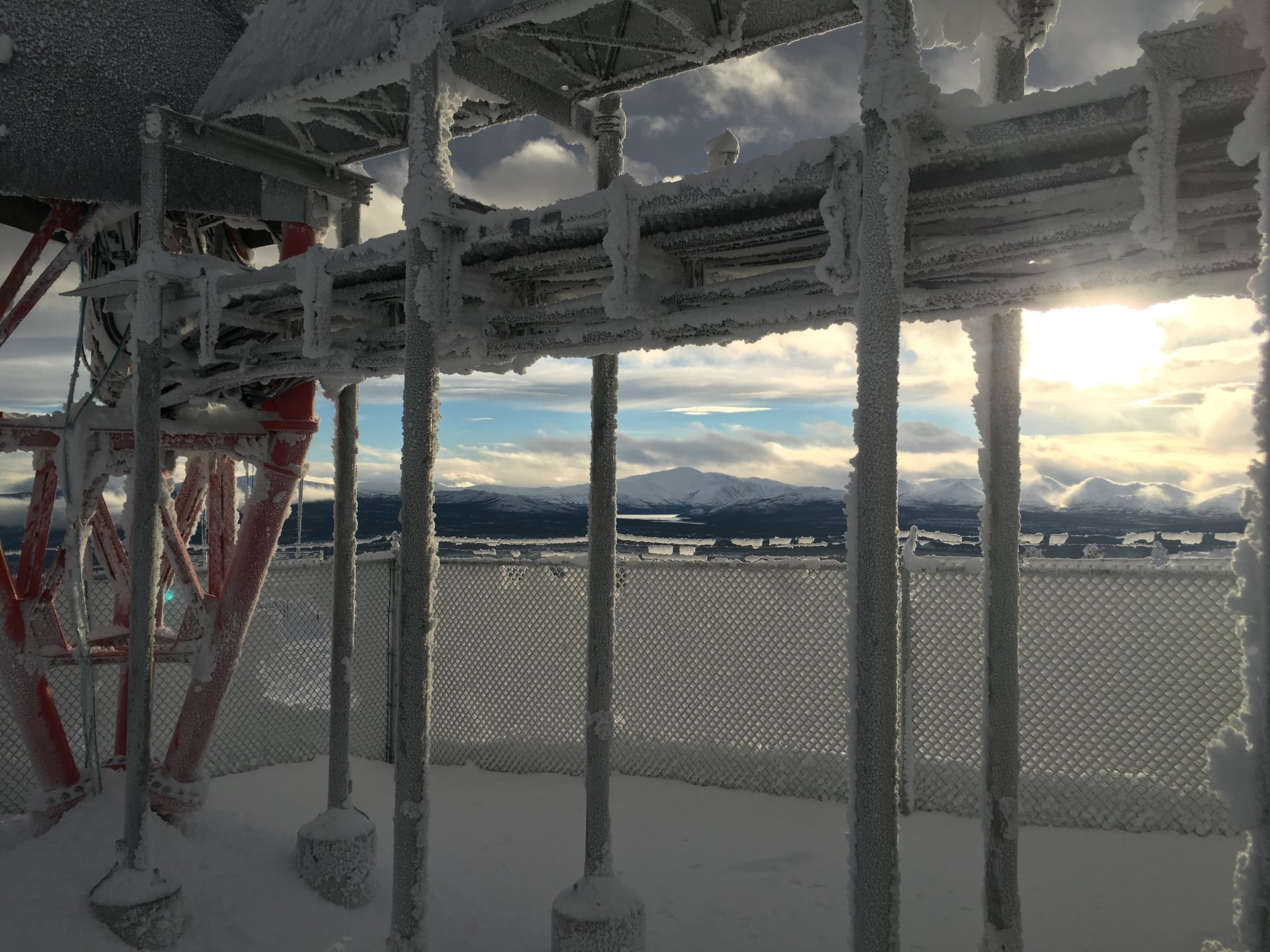
Who needs a takedown
Property owners who inherited a tower with the land — old broadcast masts, retired repeater structures, farm towers that haven't carried an antenna in decades. Carriers and WISPs retiring sites and consolidating onto fewer structures. Landlords whose tenant's tower is now their liability. Estates settling up a property with a steel question mark on it.
The pattern is always the same: the tower stopped earning its keep years ago, nobody's been maintaining it, and now it's the owner's problem — structurally, legally and financially. A neglected tower in a windstorm is a lawsuit waiting for a location.
Structural assessment comes first
This is the step that separates professionals from guys with a cutting torch. Before anything comes down, we assess: member condition, bolt and weld integrity, guy-wire and anchor condition, foundation state, corrosion extent, and what the structure is actually carrying versus what the records say. Ten years of climbing teaches you that old steel lies — a member that looks fine can be hollow with rust inside, and a guy wire that looks weathered can still be holding the whole structure together.
The assessment determines the takedown method. A sound structure can come down in sections by crane or gin pole, piece by piece, with salvage value intact. A compromised structure needs a controlled collapse plan with calculated drop zones — or, in the worst cases, emergency stabilization before anyone touches it. You get the assessment in writing, with photos, before we quote the takedown.
How a decommission runs
Every old tower has a story. Most of them are lying about the ending.
1. Assessment and planning. Full condition survey, takedown method selection, drop-zone and access planning, utility and neighbour coordination.
2. Preparation. Antennas, feedlines and equipment removed first — the light stuff comes off before the steel moves. Hazard isolation: power disconnected, grounding noted, any environmental concerns (lead paint on older structures, oil from equipment) identified.
3. Takedown. Sectional dismantling for structures worth salvaging; controlled felling where that's the safe and economical choice. Partner rigging crews do the work — people who've done this before, not a first attempt on your property.
4. Salvage and disposal. Usable steel, antennas and hardware are sorted for salvage value — which offsets your cost. The rest goes to proper disposal, not the bush at the back of the lot.
5. Site remediation. Foundations broken out or buried to grade, guy anchors removed, the site left clean and usable. If the land is going back to agriculture, development or sale, this is the part that protects its value.
The salvage question, answered honestly
Sometimes an old tower is worth real money in steel and reusable hardware. Sometimes it's worth the scrap rate minus the cost of getting it to a yard. Sometimes the salvage doesn't cover the takedown and the job is a pure cost — but a known, quoted cost, which beats the unknown cost of a collapse. We tell you which one you're looking at during the assessment, not after the invoice.
Field note
I've walked away from takedowns where the salvage wouldn't cover the fuel to get there — and I've handed owners money for steel they assumed was junk. The assessment tells us which one you're looking at before anyone climbs, not after the invoice lands.
Commercial coverage is the whole confirmed region: all of Vancouver Island, the Southern Gulf Islands, Sunshine Coast, Texada and the Discovery Islands, including boat-access west coast sites — see the local pages for tower decommissioning in Duncan, Nanaimo and Port Alberni. If you're replacing the old structure with a new one, talk to us about small tower construction in the same project.
What happens to the site after the takedown?
The structure comes down safely, materials get sorted, salvage is credited where it has value, and the site is remediated when we’re done. If you’re replacing the old tower with a new one, we can scope the build and the takedown in the same project.
Common questions
How much does a tower takedown cost?
Height, condition, access and method drive the price — a sound 20-metre self-support next to a road is a very different job than a corroded 60-metre guyed tower on a hillside. The structural assessment is how we quote it accurately instead of guessing. Contact us with photos and we'll tell you what the assessment will cost and what we expect to find.
Can you just knock it over?
Sometimes that's the right method — a planned, controlled felling with calculated drop zones and clearances. But "just knock it over" without an assessment is how people get killed and how neighbours get a tower through their roof. The assessment decides the method, not the budget.
Who's liable for my old tower right now?
Generally, you are — the property owner. If it falls and damages something, the question won't be who built it in 1987; it'll be who owned it when it fell and what they did about it. Documenting a professional assessment and a takedown plan is the strongest position you can be in.
Do I need permits to take a tower down?
Often less permitting than building one, but it depends on the site — environmental considerations, road access for cranes, and whether the structure is tied to any licensed service. We sort out what's needed as part of the planning phase.
What happens to the antennas and equipment on it?
Removed first, inventoried, and returned to you or the equipment owner. Working gear has resale value; dead gear gets disposed of properly. Nothing gets left on the structure during takedown — that's a safety rule, not a suggestion.
Stuck with a tower you don't want?
Send photos and the location. We'll tell you what the assessment will cost, what we expect to find, and whether it's a salvage job, a pure takedown, or something in between.